Gardening Services in Hoxton

Gardening Services Hoxton provides practical help for keeping domestic and communal outdoor spaces tidy, usable and well looked after. Our work covers routine garden care, seasonal cutting back, one-off tidy ups and clearance tasks, alongside more considered improvements such as landscaping and decking. The aim is straightforward: keep the garden in workable condition and shape it so it suits the space, the site access and the way it is used.
In a busy part of London, outside spaces often need a flexible approach rather than a single set routine. Some gardens only need mowing and edging, while others need hedge trimming, pruning, waste removal or a fuller reset after a long period without attention. We handle these jobs as individual pieces of work or combine them into a wider visit, depending on what the garden actually needs. Clear scope, neat workmanship and sensible planning all matter when the space is limited.
For a straightforward quote, start with the services you need and the general condition of the garden. If you already know that the job involves clearance, lawn care or a larger landscaping change, say so early and keep the request simple. You do not need to over-explain the whole project; a clear summary is usually enough to begin the quotation process.
Routine garden maintenance and lawn care
Routine maintenance is often the most effective way to keep a garden from becoming difficult to manage. Our garden maintenance work can include cutting back growth, removing light debris, neatening edges, tidying beds and keeping paths or borders free of encroachment. Where lawns are part of the space, lawn mowing helps keep the area even and manageable, while edging gives the finish a more deliberate look. These are small tasks individually, but together they have a noticeable effect on the overall presentation.
Garden maintenance is usually best planned around the season and the way the garden grows, rather than on a fixed assumption that every visit should be the same. Some outdoor areas need frequent light attention; others only need periodic work to stay in order. We can also combine maintenance with hedge trimming, especially where shrubs or boundary plants are beginning to take over the usable space. The work is scaled to the site, so the result feels tidy rather than over-processed.
When requesting this type of service, it helps to state whether the priority is appearance, access or general upkeep. A lawn that needs a simple cut is different from one that also requires edging, clearance around features or a reset after poor weather. If you are preparing a larger enquiry, a short list can be useful:
- lawn mowing and edge definition
- light pruning or cut-back work
- bed tidying and debris removal
- hedge trimming where required
Garden clearance for overgrown or untidy spaces

Garden clearance is the right choice where growth, fallen material or neglected areas have built up beyond what routine maintenance can reasonably handle. This can involve clearing borders, removing weeds, cutting back dense plants, lifting waste and restoring access to paths, corners and working areas. It is often the first step before a garden can be maintained properly again, because a cluttered space makes even simple tasks harder to complete well.
Garden clearance may be needed after a period of vacancy, following seasonal overgrowth or where the garden has been used for storage and now needs to be returned to a usable state. We approach these jobs carefully, because clearance is not simply about stripping everything back. It is about deciding what should remain, what needs cutting down and how the material should be handled. Where waste is involved, removal is part of the same practical process rather than an afterthought.
It is useful to note any access issues, locked gates, narrow side returns or items that need to be kept. That kind of detail helps keep the work focused and reduces the chance of unnecessary handling. If you are unsure how much is involved, a brief description of the visible growth or clutter is enough to begin. A clear starting point usually makes it easier to quote accurately and plan the day sensibly.
Hedge trimming, pruning and boundary shaping
Well-managed hedges and shrubs do more than improve the view from the house. They can also define boundaries, preserve light and keep the garden from feeling cramped. Our hedge trimming work is suited to regular shaping as well as tidying back growth that has become too heavy, too wide or too tall for the space. Good trimming is about balance: removing enough to restore form without leaving the plant looking harsh or patchy.
Hedge trimming is often paired with selective pruning, especially where shrubs, climbers or mixed borders need more than a single cut. Different plants respond in different ways, so the work should be adapted to the species, the season and the way the garden is laid out. In practical terms, that means thinking about shape, density, safety and the finished line against walls, fences or neighbouring planting. The result should look intentional rather than simply reduced.
Where the boundary planting has become difficult to manage, we can also discuss whether a light tidy is enough or whether a fuller cut-back will give a better result. A measured approach matters because some plants recover better from gradual shaping than from heavy reduction. If the hedge or shrub line affects access, please mention that early, along with any sections that need special attention. A sensible quotation depends on the amount of cutting and the level of finish expected.
Landscaping and garden improvements

Landscaping work changes the structure of a garden rather than simply maintaining what is already there. That may include reshaping areas, defining new edges, improving surfaces or creating a more useful layout for planting and movement. Landscaping can be modest or substantial, depending on the condition of the space and the effect you want to achieve. The key is to treat the garden as a working environment, where structure, access and appearance all support one another.
Where the aim is to improve both use and presentation, landscape gardening may involve coordinated changes rather than isolated fixes. This can include introducing clearer boundaries, planning planting zones, refreshing tired features or combining hard and soft elements in a more balanced layout. A well-organised garden often starts with simple questions: where people walk, where water sits, how much light reaches each section and what parts of the garden should do the most work.
Not every garden needs a full redesign, and we do not treat every project as if it were a blank canvas. Sometimes a targeted improvement is enough, such as improving the edge of a lawn or creating a tidier transition between paved and planted areas. If you already have ideas, say what matters most: easier upkeep, better definition, more planting space or a cleaner overall finish. Those priorities help shape the work and the quotation.
Decking and useful outdoor surfaces
Decking can help turn an awkward patch of ground into a more practical part of the garden. It may provide a level seating area, bridge an uneven section or create a cleaner boundary between house and planting. Our decking services are most useful where the existing layout needs structure and the customer wants a surface that feels deliberate rather than improvised. The finished result should fit the space and the way it is used, not overpower the rest of the garden.
Decking services can be considered alongside broader landscaping when the garden needs both surface improvement and better overall organisation. The work may sit naturally beside planting, lawn changes or clearance, especially where a space has become patchy and needs clearer definition. In a compact garden, the layout has to be especially thoughtful, because every metre matters and access around the installation still needs to work afterwards.
If your enquiry includes decking, it helps to mention whether the area is part of a larger redesign or a stand-alone improvement. The more clearly the intended use is described, the easier it is to suggest a sensible approach. You do not need to present a finished plan at the first stage. A brief description of the area, the access and the kind of finish you want is enough to start the conversation.
Tree lopping, removal and larger plant work

Some gardens need attention to trees or larger woody growth that is affecting light, access or the overall balance of the plot. Tree lopping and removal are more specialised tasks than routine hedge work, because they involve taller growth, heavier material and a clearer focus on safety and disposal. We treat these jobs as practical garden work that should leave the site manageable, tidy and ready for the next stage of maintenance or improvement.
Tree lopping and removal may be relevant where a tree is outgrowing its position, crowding other planting or making the garden harder to use. It can also be part of a broader clearance or landscaping project when the space needs opening up before anything else can happen. Not every job calls for complete removal; sometimes selective reduction is enough to ease pressure on the rest of the garden and restore a more balanced look.
Because larger plant work affects the structure of the space, it is helpful to describe the tree or tree-like growth as accurately as you can. The size, location and condition of the plant all influence the scope of work. If there are fences, sheds, overhead lines or nearby planting to consider, mention those too. Accuracy at the start makes for a better quotation and a cleaner plan for the work itself.
Pricing, quoting and what affects the scope
Garden work is usually priced according to the amount of labour, the type of work involved, the time it is likely to take and how much material needs to be handled or removed. Routine mowing or maintenance is different from clearance, and both are different again from landscaping or tree work. Because of that, the most useful quotation request is the one that states the actual tasks clearly rather than using a broad description with little detail. That makes it easier to match the quote to the real work.
Pricing and quotes should reflect the details that matter: garden size, access, current condition, the need for waste handling and whether the job is a one-off or part of a longer programme. If the garden includes several tasks, it is sensible to list them in order of priority. One job may need immediate attention, while another can be completed as part of the same visit if the scope allows. A concise summary is usually better than a long description with unclear priorities.
Before asking for a quotation, gather the basic facts that help define the work. These do not need to be polished; they just need to be usable:
- the main task or tasks
- any access limitations
- the general state of the garden
- whether removal or clearance is included
About Hoxton
Hoxton is a district in the East End of London within the London Borough of Hackney, close to Shoreditch, Haggerston and the Regent’s Canal corridor. Historically it developed from a rural settlement into a densely built urban area, and its present character reflects that long change. The locality is known for a mix of older street patterns, post-war housing, warehouse conversions and newer apartment development, with small parks and community spaces set among busy roads and rail links. Hoxton Street remains one of the area’s most recognisable historic thoroughfares, while nearby commercial streets and side roads show how the district has shifted from industrial and working-class uses toward a blend of residential, creative and leisure activity.
Why people choose a flexible local garden service
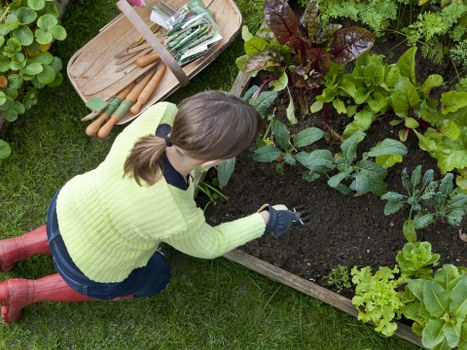
Gardens rarely stay static for long, especially where a space has to cope with changing weather, quick-growing plants and limited room for storage or access. A flexible service lets the work be matched to the condition of the garden rather than forcing every visit into the same pattern. That might mean combining mowing with hedge trimming, clearing a neglected corner before maintenance begins or adjusting the plan when a project needs a different order of tasks. The practical benefit is a cleaner result and fewer unnecessary steps.
We can also help when the garden sits between several needs at once, such as a lawn that needs cutting, borders that need tidying and a boundary line that has become too heavy. In those cases, the most effective approach is often to group the work so that the main problems are handled first and the finishing details are completed afterwards. Services overview gives a broader sense of the work we can cover, while the individual pages are useful when you already know the type of task you need.
To request a quotation, simply outline the garden type, the main task and anything that may affect access or disposal. If you are comparing a few options, keep the emphasis on what needs doing now rather than on every possible future improvement. We will then have the right information to respond with a sensible next step. Request your quote when you are ready.