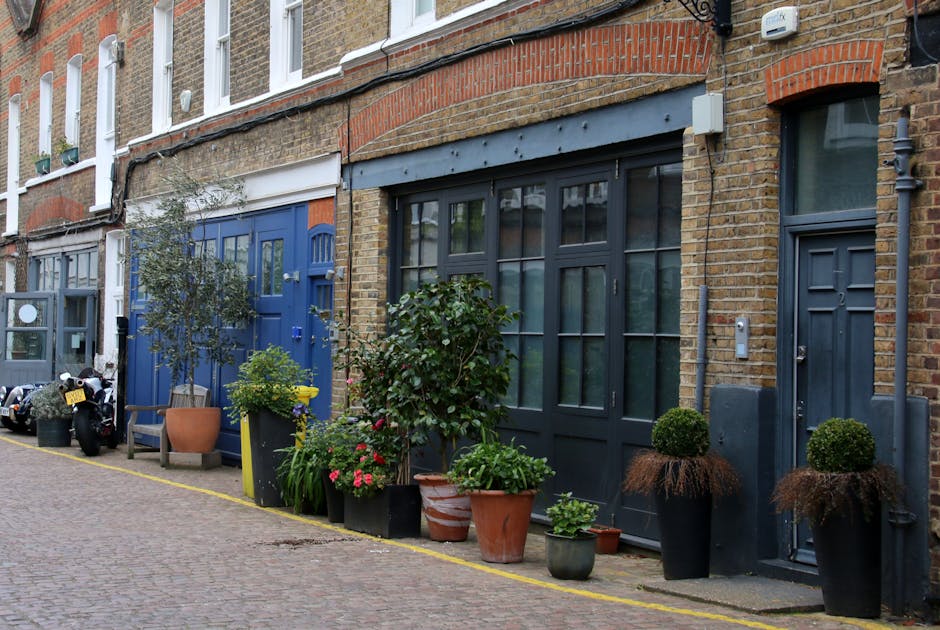
Commercial gardeners for Kingsland Road businesses Hoxton
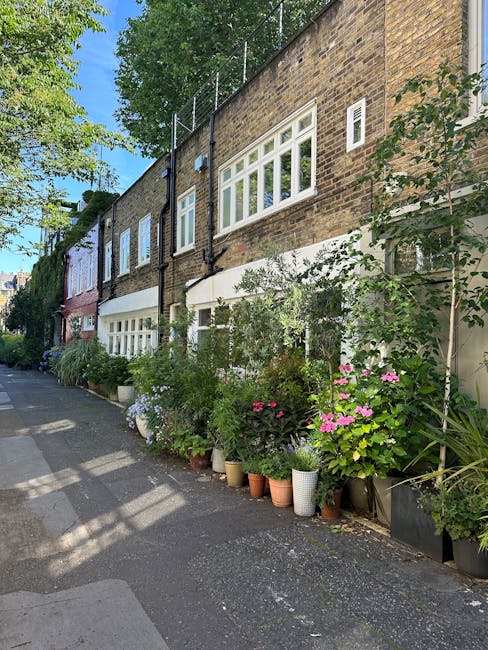
If you run a shop, cafe, office, studio, or mixed-use property near Kingsland Road, you already know the outside space matters more than most people think. A tired planter, overgrown hedge, or patchy entrance strip can make the whole business feel a bit neglected. The good news? Commercial gardeners for Kingsland Road businesses Hoxton can keep those spaces looking sharp, safe, and welcoming without you having to chase it every week.
This guide explains what commercial gardening actually covers, why it matters in a busy Hoxton setting, how the service works in practice, and what to look for before you book. It also covers maintenance planning, compliance, common mistakes, and a few local realities that make all the difference. Truth be told, the right garden care can be one of those small decisions that quietly improves everything.
Why Commercial gardeners for Kingsland Road businesses Hoxton Matters
Kingsland Road is busy, visible, and unforgiving in the way most high-footfall London streets are. People notice what they pass, even if only for a few seconds. That means frontages, courtyards, terraces, loading-adjacent green strips, and roof-level planters are not just decorative extras. They are part of the customer experience.
For businesses in Hoxton, commercial gardening is really about presentation, safety, and consistency. A clean entryway with tidy planting and healthy growth says the business is organised. An untidy verge, weeds pushing through paving, or trailing branches say the opposite. It's a bit unfair, but people do judge quickly. And let's face it, the outside often sets the tone before a customer even opens the door.
There is also a practical side. In urban settings, plants work hard. They deal with shade from buildings, reflected heat, pollution, wind corridors, restricted soil volumes, and the occasional mystery drain issue. That is why businesses often need more than a casual trim. They need planned maintenance that understands the realities of a built-up street environment.
If you are looking at wider support, it can help to think of gardening as part of a broader property-care system. Some spaces only need regular upkeep, while others benefit from a fuller package that includes garden maintenance, lawn mowing, hedge trimming, or even seasonal garden clearance. The right mix depends on the site, the budget, and how public the space is.
How Commercial gardeners for Kingsland Road businesses Hoxton Works
Commercial gardening is usually set up as a repeat service rather than a one-off tidy. That matters. A business frontage grows, sheds, collects litter, and changes with the seasons. One visit can improve it, but ongoing care keeps it looking intentional.
In a typical setup, the process begins with a site review. The gardener looks at access, size, planting type, safety issues, and how much disruption the work might cause during trading hours. A small coffee shop frontage has very different needs from a larger office courtyard or residential block entrance. One may need light pruning and waste removal; the other may need recurring maintenance, shape control, edging, planting care, and seasonal refreshes.
Then comes the schedule. Some clients want weekly or fortnightly visits. Others need monthly attention with more intensive seasonal work. In practice, a good schedule is shaped around visibility and growth rate. Fast-growing hedges, heavy footfall, and exposed corners near traffic usually need closer attention than sheltered courtyards. A decent gardener will not just ask, "How often?" They'll ask, "What's changing on site?"
Commercial teams also tend to plan for waste removal, access, and risk controls. That can include using the right tools for noisy urban environments, keeping pathways clear, and working around opening hours so your customers are not greeted by a hedge trimmer at 8:30 in the morning. Nobody wants that soundtrack with their flat white.
Where planting is involved, a commercial gardener will also consider watering needs, soil condition, drainage, and whether the existing layout is actually working. Sometimes the answer is maintenance; sometimes it is redesign. If the space is underperforming, a service like landscape gardening or landscaping may be the smarter long-term move.
Key Benefits and Practical Advantages
The obvious benefit is appearance. A tidy exterior looks cared for, and that helps with trust. But the real value of commercial garden care goes deeper than looks alone.
- Better first impressions: customers, tenants, and visitors read the quality of the outside space as part of the business brand.
- Safer access routes: cut-back growth, clear paths, and managed debris help reduce trip and obstruction risks.
- Less disruption: planned work is easier to manage than emergency clear-ups after things get out of hand.
- Healthier planting: regular care helps shrubs, lawns, and beds stay balanced instead of becoming patchy or overgrown.
- More predictable costs: routine maintenance often prevents the larger, messier jobs that come with neglect.
- Better use of space: compact urban greenery can still feel polished, calm, and useful if it is managed properly.
There's also a morale effect that people underestimate. Staff tend to notice when the place they work is tidy and pleasant. It sounds small, but that little bit of order in a courtyard or entrance area can change the feel of the day. On a grey London morning, that counts for more than it should.
And if sustainability matters to your business, the gardening plan can support that too. Responsible waste handling, sensible pruning, and re-use or recycling of green waste can all reduce the environmental footprint. You can also look at the provider's approach to recycling and sustainability if that is part of your procurement criteria.
Who This Is For and When It Makes Sense
Commercial gardening is not just for big corporate campuses. In Hoxton, the strongest demand often comes from smaller but highly visible businesses that need a polished frontage without maintaining a full-time grounds team.
It makes sense for:
- cafes and restaurants with planter displays or outdoor seating edges
- shops and showrooms that rely on a clean first impression
- offices with small garden courtyards or entrance planting
- managed residential buildings and mixed-use properties
- creative studios, co-working spaces, and hospitality venues
- landlords and property managers responsible for shared external areas
You may also need commercial gardeners if the space is not technically large, but is highly visible from Kingsland Road or a nearby side street. A small strip of planting can still look messy if it is ignored. Conversely, a modest but well-kept frontage can make a business feel calm and credible. That is often the whole game.
One good question to ask is: is this space seen by customers, tenants, or passers-by every day? If yes, regular upkeep is usually worth it. Another is: does the space suffer faster wear because of traffic, wind, or shade? If yes, a reactive approach will probably disappoint you.
Step-by-Step Guidance
If you are arranging commercial garden support for the first time, keep the process simple. Good planning avoids awkward gaps and last-minute surprises.
- Walk the site properly. Look at entrances, boundaries, planters, paths, and any areas where customers or staff move through regularly.
- Decide what matters most. Is your priority visual presentation, safety, planting health, or all three?
- Separate routine work from one-off work. Routine tasks may include mowing and pruning; one-off jobs may involve clearance or a larger refresh.
- Check access and timing. Think about opening hours, delivery windows, neighbours, and whether work needs to happen early or after trading.
- Ask for a service plan. A sensible plan should explain frequency, scope, waste removal, and seasonal changes.
- Review the treatment of higher-risk tasks. If there are trees, steep access points, or awkward overgrowth, make sure these are handled carefully. The service tree lopping and removal may be relevant in some cases, though only where it is genuinely needed and appropriate.
- Set a reporting rhythm. Ask how issues will be flagged if the garden changes between visits, especially after storms or hot weather.
- Review after the first few visits. The best maintenance plans are adjusted, not just repeated on autopilot.
If you want a broader overview of available work, it can be useful to compare individual services against the bigger picture in the services overview. That helps you decide whether you need regular maintenance, a refresh, or a larger structural change.
Expert Tips for Better Results
In our experience, the best commercial garden results come from boring consistency rather than dramatic interventions. Not glamorous, but true.
- Match the schedule to growth: fast-growing hedges and heavily used entrances often need more attention than you think.
- Keep planters realistic: in exposed urban spaces, choose planting that can handle wind, shade, and irregular watering.
- Design for maintenance, not just looks: elaborate planting beds can become a burden if they are difficult to access or too fragile for the site.
- Leave room for clean edges: sharp borders, trimmed lines, and tidy transitions make even simple planting look professional.
- Use seasonal check-ins: spring and autumn are often the moments when neglect shows up quickest.
- Be honest about budget: a smaller but reliable maintenance plan usually beats a larger plan that gets cancelled every few months.
Another practical tip: if your business has customers arriving during the morning rush, try to schedule noisy or messy work outside the peak. It sounds obvious, but people often forget. The sound of a mower or blower at the wrong time can make a polished frontage feel like a worksite.
Also, keep an eye on the surrounding hard landscaping. Sometimes the garden itself is fine, but the paving, edging, or timber details are what make the whole place look shabby. If that is the issue, services such as decking services may matter just as much as the planting.
Common Mistakes to Avoid
A lot of businesses only call a gardener when something looks embarrassing. Fair enough, but that usually means the job is larger, more expensive, and less predictable than it needed to be.
Here are the mistakes that tend to create avoidable pain:
- Waiting too long: overgrowth is harder to tame than to prevent.
- Choosing price alone: the cheapest option may not understand commercial access, customer timing, or ongoing care.
- Ignoring waste handling: garden waste left behind can create a bad impression very quickly.
- Not separating routine and seasonal work: mowing, pruning, and planting refreshes should not be treated as one vague job.
- Forgetting about visibility: a side entrance or bin area may be just as visible as the main doorway.
- Using the wrong planting for the site: pretty plants that cannot handle shade or pollution become a maintenance headache.
- Skipping review periods: what worked in summer may not work in winter, and vice versa.
There is also a softer mistake: underestimating how much the outside space says about the business. You can have brilliant service inside, but if the frontage looks unmanaged, some people will never get that far. Bit harsh, but that is the reality.
Tools, Resources and Recommendations
The best commercial gardeners bring the right kit, but more importantly, they bring judgement. Still, it helps to know what a professional setup usually includes and why it matters.
| Area of work | Typical approach | What to watch for |
|---|---|---|
| Routine maintenance | Regular visits for tidying, pruning, weeding, and general care | Consistency, waste removal, and clear scope |
| Lawn care | Mowing, edging, and seasonal attention | Timing, access, and grass condition in shade or heavy use |
| Hedges and boundaries | Shaping, reduction, and managed growth | Clean lines, safe access, and neighbouring boundaries |
| Clearance | Removal of debris, dead growth, and neglected material | How waste is handled and whether follow-up care is included |
| Design updates | Reshaping beds, improving layout, or refreshing planting | Whether the layout is maintainable in the real world |
For many businesses, the most useful combination is a core maintenance plan plus occasional specialist work. That might mean standard upkeep through garden maintenance, with extra support from lawn mowing or hedge trimming when the site needs it.
If you are comparing providers, ask how they handle scheduling, access, and seasonal changes. Ask about insurance too. You do not need a lecture; you need straightforward answers. That's usually a good sign either way.
Law, Compliance, Standards, or Best Practice
Commercial gardening in London is usually straightforward, but there are still a few areas where sensible business practice matters. This is not about making life complicated. It is about reducing risk and keeping records tidy.
Depending on the site, commercial gardeners may need to work around health and safety requirements, manage slip and trip hazards, and make sure tools, vehicles, and waste are handled responsibly. If work is taking place near public access, entrances, or parked vehicles, those details matter even more. Businesses should expect clear communication about risk controls and insurance cover.
It is also wise to check whether the provider has clear internal policies on safety, payments, complaints, and sustainability. Those policies are not just paperwork; they tell you how the business operates when something goes wrong or when a task needs a careful approach. You can review pages such as insurance and safety and health and safety policy to understand how a provider presents those commitments.
For businesses that value operational transparency, it can also be reassuring to see information on payment and security, terms and conditions, and the complaints procedure. None of that is exciting, obviously, but it is exactly the sort of thing that saves trouble later.
On the environmental side, waste handling and recycling practices should be sensible and proportionate. In a city like London, there is a strong expectation that green waste is dealt with properly rather than simply shifted out of sight. That is where a clear sustainability approach can be useful, especially for hospitality and office clients who want to show they are making thoughtful choices.
Options, Methods, or Comparison Table
If you are deciding how to manage your outside space, there are usually three broad models. Each one suits a different kind of business.
| Approach | Best for | Pros | Trade-offs |
|---|---|---|---|
| One-off tidy-up | Overgrown or neglected sites that need an immediate reset | Fast improvement, useful before an event or inspection | Does not prevent future decline unless followed by maintenance |
| Regular maintenance | Business frontages that are visible every day | Stable appearance, predictable upkeep, fewer surprises | Needs a recurring budget and some planning |
| Landscape refresh | Spaces that look tired, underused, or hard to maintain | Can improve both appearance and function | Requires more upfront thinking and possibly more disruption |
For a lot of Kingsland Road businesses, the second option is the sweet spot. A regular plan keeps the frontage calm and presentable without asking staff to manage it themselves. If the space is struggling structurally, then a refresh may be worth exploring first, followed by maintenance afterwards.
Case Study or Real-World Example
Imagine a small design studio just off Kingsland Road. The front planting is compact, but it is one of the first things clients see. Over time, the hedge has become uneven, the planter edges are messy, and a few weeds are pushing through the paving. Nothing dramatic. Just enough to feel a bit off.
The business does not need a full reconstruction. What it needs is a sensible reset: cut back the hedge, clear the dead growth, tidy the paving edges, check the planting health, and set a monthly visit so it does not drift again. In a case like that, the job is less about transformation and more about control. A decent finish, maintained properly, can make the whole entrance feel lighter and more professional.
Now compare that with a small hospitality site that has outdoor seating and several planters exposed to traffic dust and wind. There, the priority may shift. The manager might need more frequent checks, better watering routines, and seasonal planting choices that do not collapse by mid-August. One site wants a reset. The other wants a rhythm. Same street, different needs. That is the sort of thing commercial gardeners notice quickly.
Sometimes the improvement is subtle. A clean edge, a healthy hedge line, less clutter near the doorway. But those small details stack up. You feel it when you arrive. So do your customers.
Practical Checklist
Use this checklist before you book or renew a maintenance arrangement:
- Have you defined the areas that need regular care?
- Do you know which tasks are routine and which are occasional?
- Are customer entrances, paths, and high-visibility points included?
- Is the schedule realistic for how fast the space grows or gets messy?
- Have you thought about access, timings, and noise?
- Does the provider explain waste removal clearly?
- Are safety, insurance, and complaints processes easy to understand?
- Do you need hedge, lawn, clearance, or landscaping support as part of the plan?
- Will the work be reviewed after the first few visits?
- Does the service feel practical, not just polished on paper?
If you can tick most of those boxes, you are probably on the right track. If not, pause and tidy up the brief. That saves everyone time.
Conclusion
Commercial gardeners for Kingsland Road businesses Hoxton are not just there to "make things look nice." They help keep business frontages safe, tidy, presentable, and easier to manage over time. In a busy part of London, that steady care can quietly improve everything from first impressions to staff morale.
The key is choosing the right level of support. Some sites need routine maintenance, some need a larger refresh, and some need a bit of both. Start with the reality of the space, not the idea of it. Then build a plan that fits how the business actually works day to day.
To learn more about the team, approach, and service standards, take a look at the about us page and the wider services overview. If you are ready to talk through your site, the next step is straightforward.
Get a free quote today and see how much you can save.
A well-kept entrance does more than look tidy. It tells people they are in good hands, and that feeling lasts longer than you might expect.
Frequently Asked Questions
What do commercial gardeners for Kingsland Road businesses Hoxton usually do?
They handle recurring outdoor maintenance for business sites, including pruning, mowing, weeding, hedge cutting, planting care, clearance, and general tidying. The exact scope depends on your frontage, courtyard, or shared external area.
How often should a business garden be maintained?
That depends on how visible the site is and how quickly it grows. Some businesses need weekly or fortnightly visits, while others only need monthly or seasonal care. Busy street-front spaces often need closer attention.
Is one-off garden clearance enough for a commercial site?
Sometimes, but usually not for long. A one-off tidy can reset an overgrown space, yet regular maintenance is what keeps it from slipping back again. If the site is customer-facing, ongoing care is usually the smarter option.
Can commercial gardeners work around business opening hours?
Yes, in most cases. A good provider will try to schedule work to reduce disruption, especially where customers, deliveries, or staff access are involved. This is particularly useful for cafes, retail units, and offices.
What should I ask before hiring a commercial gardener?
Ask what is included, how often visits happen, how waste is removed, what insurance is in place, and whether the service covers seasonal changes. If your site has awkward access or higher-risk areas, mention those early.
Do commercial gardeners also handle landscaping?
Some do. If your space needs more than routine upkeep, you may benefit from landscaping or landscape gardening as part of a wider plan. That is especially useful if the current layout is hard to maintain or not making good use of the space.
What if my business only has a small frontage or planter area?
That still counts. Small spaces often have the biggest visual impact because people see them up close. A compact but well-managed frontage can look much better than a bigger space that is left to drift.
How do I know if my site needs hedge trimming or lawn care?
If hedges are blocking light, leaning into walkways, or starting to look uneven, hedge trimming is probably needed. If you have grass that is patchy, long, or edging badly, lawn care may be part of the answer. A site visit usually makes this clear very quickly.
Are commercial gardening services suitable for landlords and property managers?
Yes. In fact, landlords and property managers are among the most common users of commercial gardening because they need reliable upkeep across shared or visible spaces. Predictable service matters a lot in those cases.
How do I keep costs under control without letting the site slip?
Use a clear maintenance plan, separate routine tasks from occasional jobs, and review the site seasonally. Spending a little regularly is often more manageable than waiting for a major recovery job. Bit dull, but it works.
What signs show I need professional help now?
If weeds are spreading, paths are becoming cluttered, hedges are out of shape, or the frontage looks neglected from the street, it is probably time. If you are already apologising for the outside, the site has likely waited too long.
Where can I find more details about service standards and policies?
You can review useful pages such as health and safety policy, insurance and safety, and recycling and sustainability for a clearer sense of how the service is structured and managed.